 Skip to content

From Lead Volume to Engagement Quality
Industry research consistently shows that trade shows remain one of the most effective B2B marketing channels. What’s changing is how success is evaluated. Trade publications and event research point to a growing emphasis on engagement quality over lead quantity, especially for complex or high-consideration offerings.
In practice, ROI measurement is expanding to include:
- Dwell time: how long visitors stay in the space
- Interaction depth: demos completed, conversations held, content explored
- Behavioral signals: repeat visits, time spent in specific zones
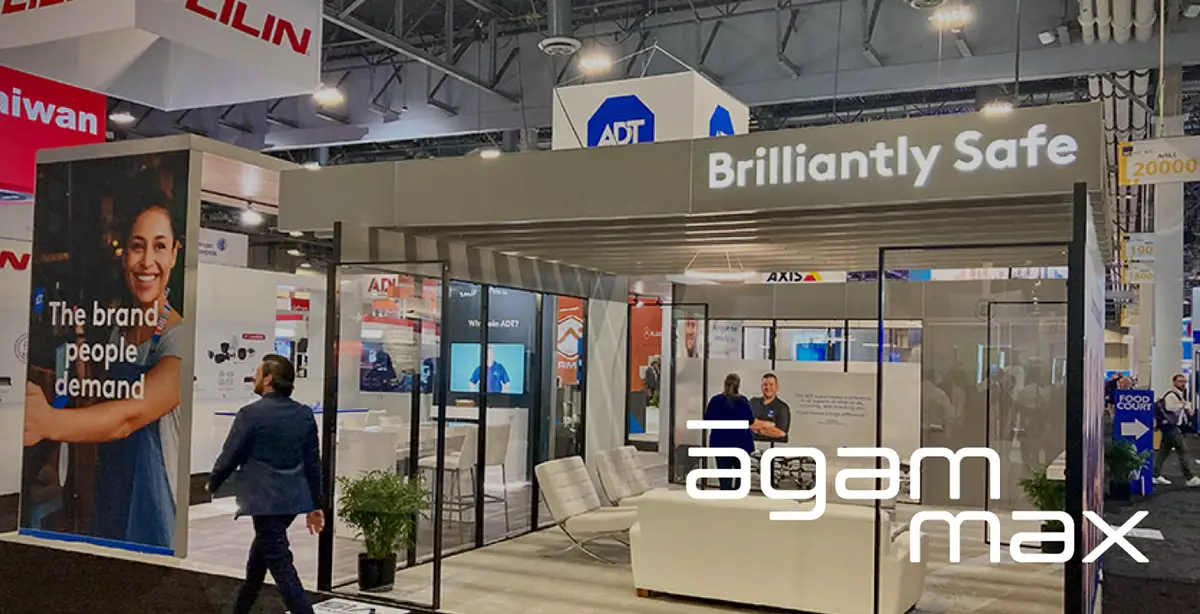
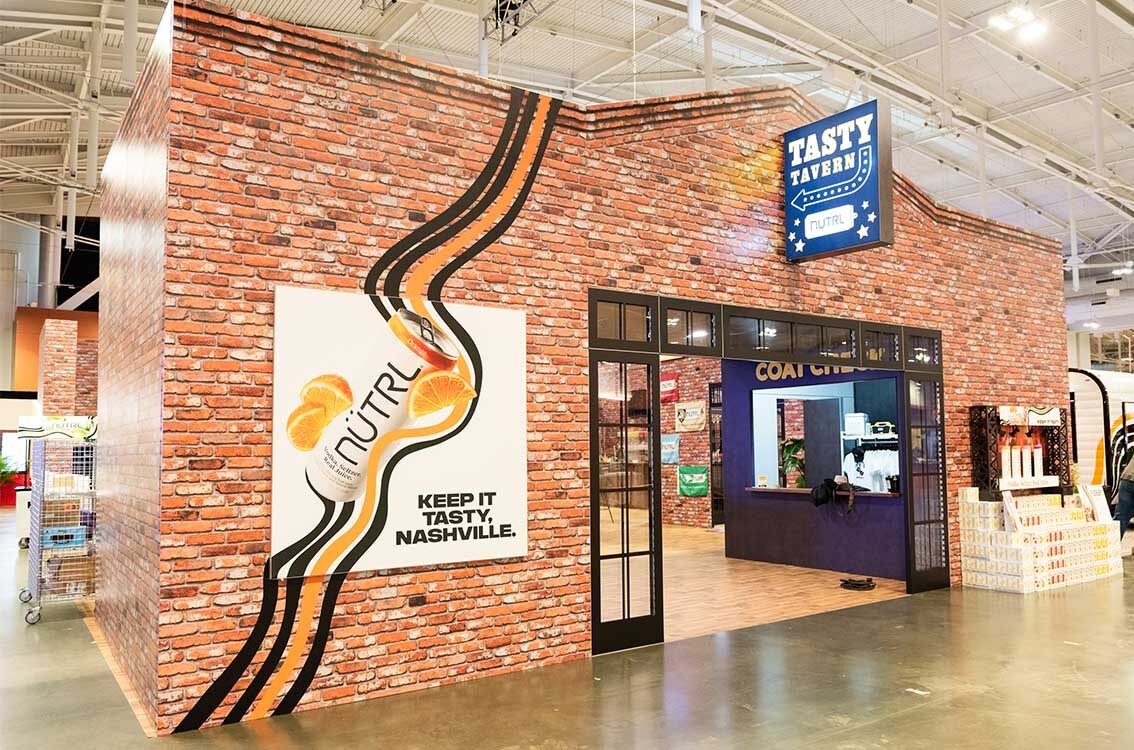
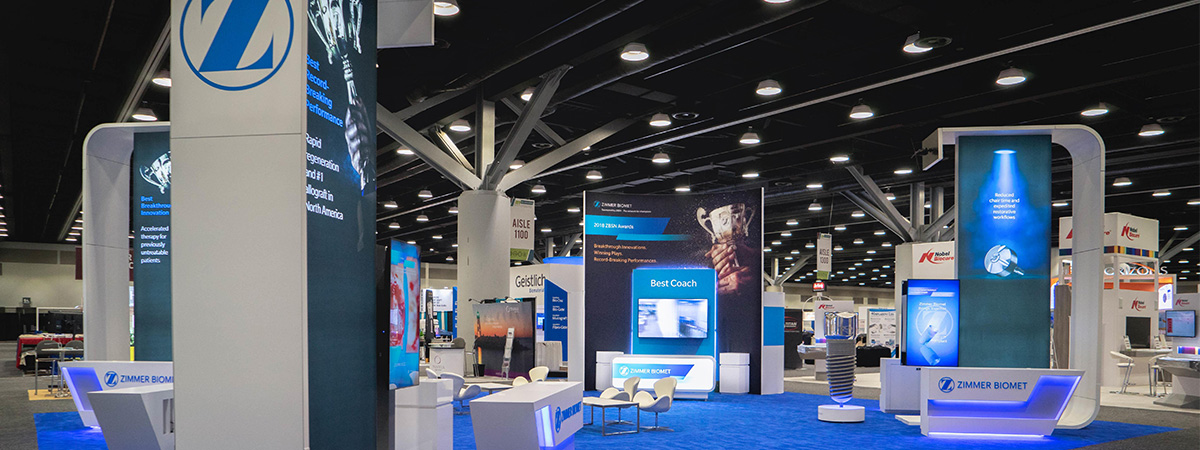
Design plays a critical role here. Spaces designed with flexibility in mind (e.g., open overhead spans, integrated lighting, and clearly defined zones) make it easier for brands to invite visitors in and keep them engaged longer. When visitors stay, conversations deepen. And when conversations deepen, ROI begins to compound.
Trade Shows as Sales Acceleration Tools
Another key shift for 2026 is recognizing that trade shows rarely operate at the very top of the funnel. Research from Exhibitor Magazine and industry organizers shows that a large percentage of booth visitors are already somewhere in an active buying journey.
As a result, ROI measurement increasingly includes:
- Pipeline acceleration: did the show move deals forward faster?
- Relationship reinforcement: did it strengthen existing accounts?
- Sales enablement: did it give teams better tools to tell their story?
Exhibit design can either support or hinder these outcomes. When environments can shift easily between open storytelling and more private conversations, sales teams are better equipped to meet prospects where they are. Spaces that accommodate demos, focused discussions, and quick transitions help teams move naturally from awareness to action, often within the same footprint.
Asset Longevity Is Now a Core ROI Metric
Sustainability and budget efficiency are no longer secondary considerations. They’re central to how ROI is evaluated.
In 2026, more brands are asking:
- Can this exhibit adapt across multiple shows?
- Can components be reused for pop-ups, showrooms, or retail?
- How much freight, storage, and handling can we reduce?
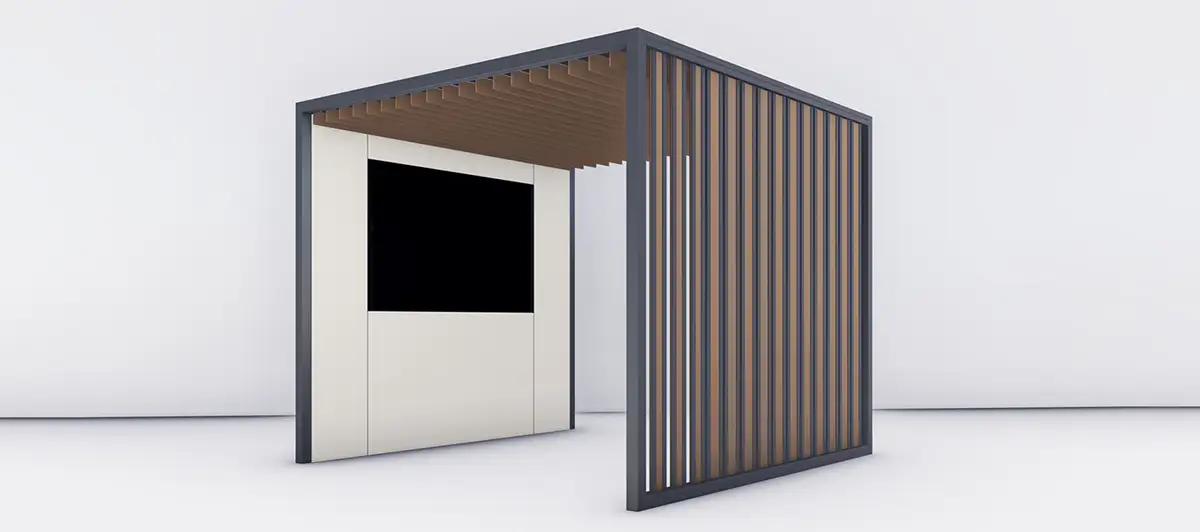
When structural systems are designed not just for assembly, but for reconfiguration, the same investment can support multiple brand moments across a year or more. What was once a single-event expense becomes a reusable platform, multiplying value while reducing waste.
This shift has real financial implications. Fewer crates. Lower freight costs. Less labor. Faster installs. ROI is no longer measured show by show, but across an entire program.
Measurement Still Needs Context
Technology continues to play a role in ROI measurement. CRM integration, attribution modeling, and post-show reporting are all more sophisticated than they once were. But data alone doesn’t tell the whole story.
The most effective exhibitors pair metrics with insight:
- Where did visitors linger, and why?
- Which zones supported the best conversations?
- What elements created friction or confusion?
Structures that can be adjusted, rather than replaced, make it easier to apply those insights. Layouts can be refined, zones can be resized, and messaging can be repositioned based on real performance. Measurement becomes a feedback loop, not a postmortem.
What This Means for Designers and Exhibit Houses
As ROI conversations become more sophisticated, expectations for partners rise. In 2026 and beyond, successful exhibit partners will:
- Design with measurement in mind, not just aesthetics
- Ask better questions upfront about goals and success criteria
- Advocate for flexibility, reuse, and long-term thinking
- Help clients connect design choices to business outcomes
When designers and exhibit houses help clients define ROI holistically across engagement, pipeline influence, and asset longevity, they elevate the conversation. The exhibit itself evolves from a one-time structure into a flexible platform that supports performance long after the show floor clears.
In 2026, ROI isn’t just about what happens during the show. It’s about what the experience makes possible afterward.
From Concept to Impact
Ready to get started with your next high-impact project?
About Agam
For more than 40 years, Agam has been a leader in aluminum architectural systems for trade shows, commercial interiors, and retail environments. With in-house capabilities for both aluminum and wood fabrication, we support top exhibit houses and design studios across the U.S. with solutions that prioritize quality, speed, and scalability.